SharedFare
End-to-end operating-model redesign delivered in 11 weeks as 147 automated processes
A member-funded mutual in a heavily regulated category needed its entire operating model rebuilt on a fixed budget, fast. Human Nexus delivered 147+ automated processes across acquisition, lifecycle, collections, claims & recoveries, and fund relationship management in 11 weeks, plus a custom actuarial risk-pricing engine, avoiding 20+ FTE of planned headcount growth.
- Timeframe
- 11 weeks, brief to go-live
- Delivered
- June 2026
- Attribution
- Prepared by Human Nexus

An operating model built to scale.
live processes & orchestrations deployed
from brief to go-live
of planned growth avoided (~$2.2M/year in operating cost)
of manual rework removed
Onboarding cut
Claims turnaround cut
SharedFare came to us with a hard problem and a harder set of constraints.
Their operating model had been assembled organically, built from paper forms, email threads, spreadsheets, and a string of manual handoffs between teams. It worked at small scale. It would not survive growth. Every new member, every claim, every collection cycle added linear manual effort, and the business was approaching the point where the only way to keep up was to hire.
The math was unforgiving. To carry the projected volume through the existing manual model, SharedFare would have had to grow by more than 20 full-time staff, including processors, collections officers, claims handlers, and relationship managers, none of which the budget could sustain. Worse, more hands on a broken process means more variance, more rework, and more compliance exposure, not less.
The conventional path was expensive and slow. A traditional build of this scope was scoped at over $160,000, before counting the ongoing headcount to operate it.
Compliance was the live wire running through everything. Operating as a mutual fund in a regulated category, SharedFare is under continuous scrutiny. Every member interaction, money movement, and claims decision has to be auditable, consistent, and defensible. A redesign that moved fast but could not withstand a regulator's review would have been worthless.
So the brief was deliberately ambitious. Do not optimise the edges, redesign the entire operating model, end to end, on a fixed budget, in weeks not years, without ever dropping below the compliance bar. Five pillars, all at once: acquisition (how members are found, qualified, and onboarded), lifecycle management (how members are served and retained over time), collections (how contributions and arrears are managed), claims & recoveries (how claims are assessed, paid, and recovered), and relationship management (how the mutual fund itself is governed and how member relationships are maintained).
Underpinning all of it was a sixth, foundational requirement: SharedFare needed to know, with rigour, who they were taking on and what to charge them. Pricing had to be driven by risk, not guesswork.
A composable operating system.
We rejected the "buy a big platform and configure it for 18 months" path. The budget did not allow it and the 11-week timeline did not either. Instead we assembled a composable operating system from best-of-breed tools, each doing the one job it does best, stitched together by a single orchestration layer.
The build itself ran on Anthropic's Claude. Claude Code wrote and shipped the stack and Claude Cowork ran the delivery, including scope, tickets, and documentation. That is how 147+ processes reached go-live in 11 weeks.
Zoho CRM, the system of record.
Members, accounts, deals, contributions, claims, and the mutual-fund relationship all live as structured, related records in Zoho. One source of truth, role-based access, and a clean audit surface for every record change.
n8n, the orchestration engine.
This is the spine. Every process that used to be a person re-keying data, chasing an email, or moving a form from one tray to another became an n8n workflow. n8n watches for triggers (a new record, a status change, an inbound document, a scheduled cycle), runs the logic, calls the other systems, and writes the result back, with full execution logs for audit.
Microsoft 365, the document and communications fabric.
Letters, statements, claim packs, and member correspondence are generated, stored, and routed through the Microsoft stack, so output stays in the formats the business, members, and regulators already trust.
Claude, the augmented decisioning layer.
Rather than hard-coding brittle rules for every edge case, we use Claude to read unstructured inputs such as forms, emails, and scanned documents, draft member-facing communications, and classify and triage inbound work, then surface a recommended action that a human approves. Claude does the reading and the drafting. People keep the judgement.
Lovable, the front-ends.
Where members and operators needed a screen, including onboarding flows, operator consoles, and status portals, we built them in Lovable and wired them straight into the same orchestration layer.
The design principle throughout: AI as the augmented orchestrator sitting between the customer and SharedFare. Not a chatbot bolted on the side, but a working layer that ingests what the member sends, prepares the next step, and hands a clean, pre-decided action to a human for sign-off. Speed of automation, safety of human judgement.

Risk profiling and risk-based pricing.

Off-the-shelf pricing tools could not capture SharedFare's risk the way a mutual fund needs. So we built a full custom actuarial solution from the ground up and made it the financial engine the rest of the operating model runs on.
The model does two connected jobs. Risk profiling: it takes the data captured during acquisition and lifecycle and turns it into a structured, consistent risk profile for every member, so the same factors are scored the same way every time, which is exactly the consistency a regulator wants to see. Risk-based pricing: that profile drives the price, so contributions and terms are set from the member's actual risk position rather than a flat or loosely-banded rate, making pricing fair to the member, sustainable for the fund, and defensible under scrutiny.
Critically, the actuarial model is not a spreadsheet sitting off to the side. It is wired into the orchestration layer. The moment acquisition captures the data, the model produces a profile and a price, n8n carries that through onboarding and into the member's Zoho record, and pricing decisions flow downstream into collections and claims without anyone re-keying a number. Every pricing decision is logged with the inputs that produced it, so the basis for any price can be reconstructed on demand for audit.
This is the piece that turns the whole redesign from "faster admin" into a genuinely smarter operating model: the fund now prices risk deliberately, consistently, and at machine speed.
Across the engagement we deployed 147+ processes and orchestrations, grouped by pillar.
Acquisition.
Lead capture, identity and eligibility checks, document intake, risk profiling, and onboarding, converted from a manual, form-driven sequence into an automated pipeline. Onboarding that previously took four to five days of operator effort now completes in roughly 30 to 40 minutes, fully automated. Inbound enquiries land in Zoho, AI reads and validates the supporting documents, the actuarial model scores the risk and sets the price, n8n runs the eligibility and KYC steps, and the member is provisioned without a single re-key, with a human approving the final decision.
Lifecycle management.
Member servicing, status changes, renewals, repricing, and proactive outreach, automated as event-driven workflows. Status changes in Zoho cascade automatically: the risk profile is refreshed where needed, the right communications go out via Microsoft 365, records update across systems, and nothing falls into a manual queue waiting for someone to remember it.
Collections.
Contribution scheduling, arrears detection, dunning, and reconciliation, turned into a continuous automated cycle. During discovery, the orchestration engine surfaced collections activity spread across a large number of accounts that had been tracked manually and was effectively invisible to management. n8n now monitors balances, escalates arrears on a compliant schedule, generates the correspondence, and reconciles payments back against member records, replacing the spreadsheet-and-reminder routine that consumed entire roles.
Claims & recoveries.
The most paper-heavy, most compliance-sensitive area. Claim intake, assessment routing, decisioning support, payment, and downstream recovery, digitised end to end with human-in-the-loop checkpoints at every decision that matters. Claims turnaround dropped from four to five hours to an average of five to six minutes, with documentation presented to the customer for signature and payment processing initiated as part of the same flow. AI reads the claim pack and drafts the assessment, the orchestration layer routes it, a human assessor approves, and the recovery process is then tracked automatically to closure. Every step is logged for audit.
Relationship management (mutual fund).
Governance of the fund and maintenance of member relationships, supported by automated reporting, structured record-keeping, and consistent, on-time communications, so the mutual's obligations to its members are met repeatably rather than heroically.
People keep the judgement.
In a regulated mutual, "fully autonomous" is the wrong goal. An unexplainable automated decision is a liability. So every consequential step keeps a person in the loop, but the person's job changes: instead of doing the manual work, they approve work that AI and orchestration have already prepared, checked, and documented.
This is what let us move fast without breaking compliance. The audit trail is built in. Every orchestration logs what it did, what the AI recommended, what the actuarial model priced, and which human approved it. That is not a bolt-on report; it is a by-product of how the system runs.
Measured change across the operating model.
Delivered in 11 weeks.
Brief to go-live, the full redesign and all 147+ processes were live in eleven weeks, against a traditional build scoped at over $160,000 and far longer.
Eliminated 20+ FTE of planned growth.
The headcount SharedFare would have had to hire to carry projected volume through the old manual model was removed entirely. At a conservative fully-loaded cost of roughly $110,000 per role, that is on the order of $2.2 million per year in operating cost avoided.
Removed 97 hours of manual rework every month.
Duplicate data entry, error correction, and chasing things that fell through the cracks, measured at 97 hours per month across the organisation, were engineered out by making each piece of data flow once, correctly, through a single orchestrated path.
Onboarding: four to five days to 30-40 minutes.
A multi-day, form-driven process is now a fully automated flow that completes in well under an hour.
Claims turnaround: four to five hours to five to six minutes.
Including documentation presented to the customer for signature and payment initiated in the same flow.
Pricing driven by risk, not guesswork.
A purpose-built actuarial model now profiles every member and sets price from risk, consistently and at machine speed, with every decision logged for audit.
Paper to digital, end to end.
Processes that were entirely paper-based are now digital, with AI as the augmented orchestrator between the member and SharedFare and a human approving every decision that counts.
Compliance held, and got stronger.
Every automated step is logged and auditable by design, giving the business a cleaner regulatory posture than the manual model it replaced.
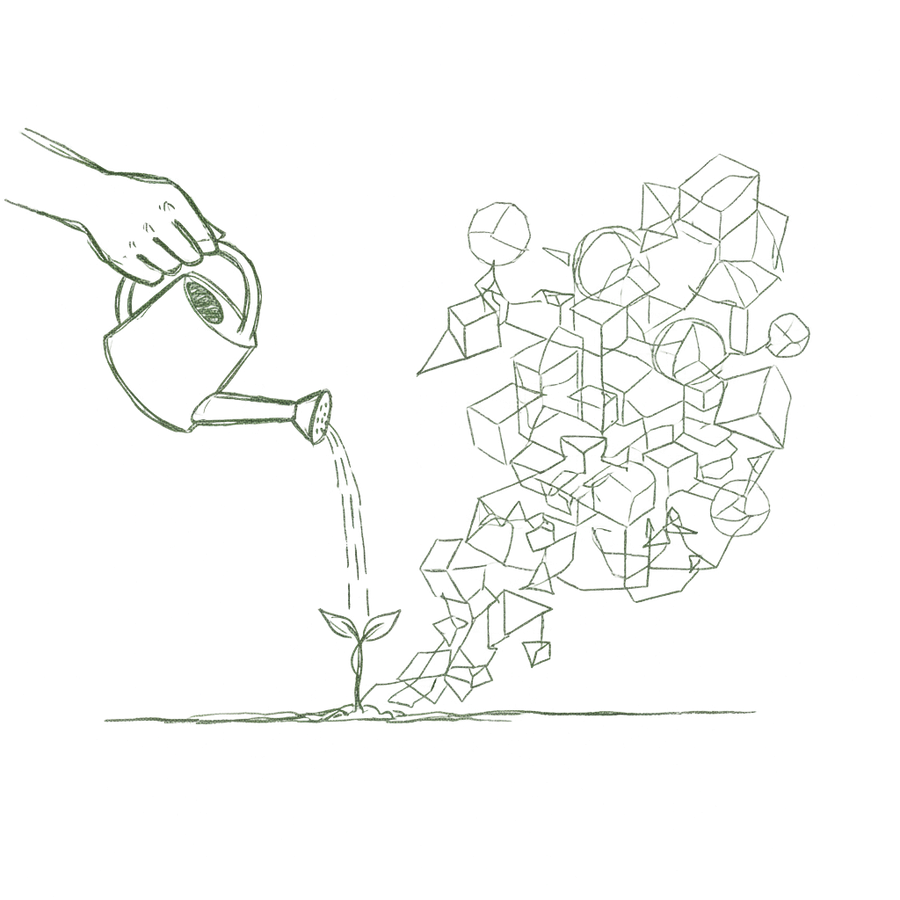
Four decisions made the difference.
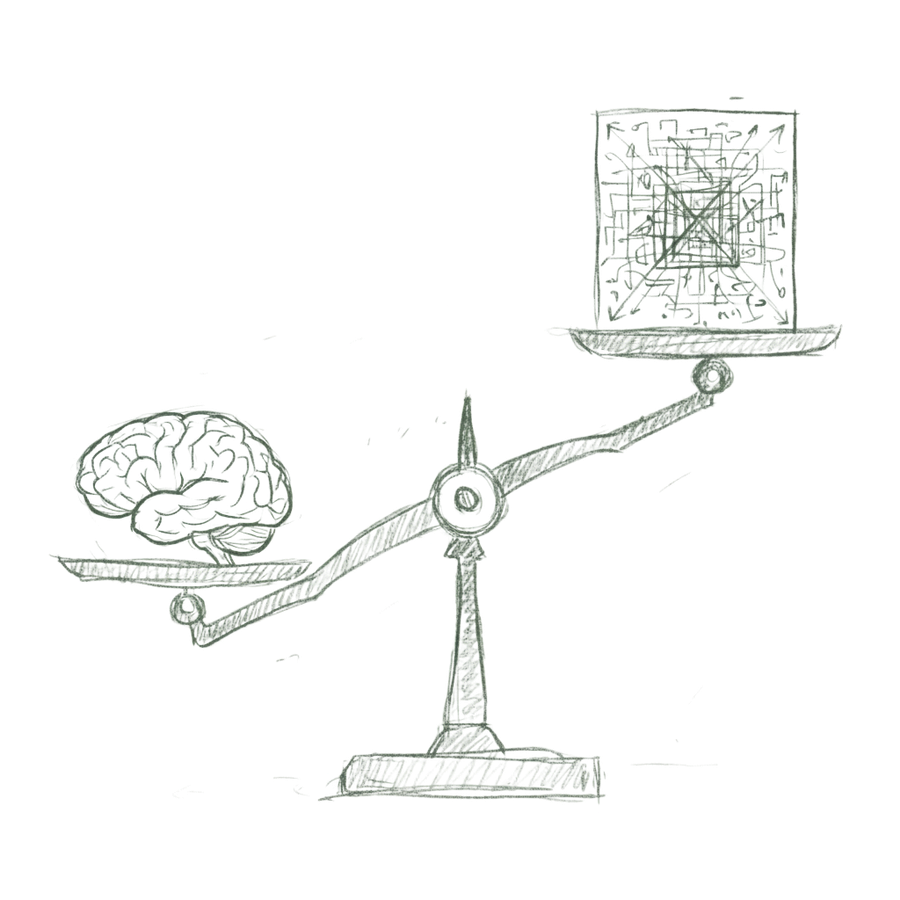
Four decisions made the difference. Composable over monolithic: best-of-breed tools joined by one orchestration engine, fast to build, cheap to run, easy to change. A custom risk engine at the core: pricing driven by a purpose-built actuarial model, so the fund takes on risk deliberately instead of hoping for the best. AI as orchestrator, not oracle: AI did the reading, drafting, and triage; humans kept the judgement, speed without surrendering control. Compliance as a by-product, not a phase: auditability fell out of the architecture instead of being retrofitted.
The outcome SharedFare asked for was a redesign within budget. What they got, in 11 weeks, was an operating model that scales without scaling headcount, prices risk like an actuary, and delivers well beyond what they expected.